
Open Water Swimming
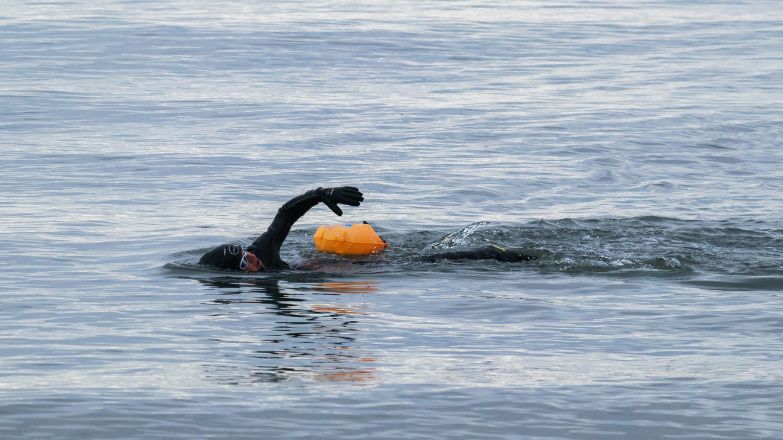
Also known as wild swimming, open water swimming – outdoor swimming in lakes, rivers, natural pools and the sea – is an activity seeing increasing popularity in England. Open water swimming is great for both physical and mental health, but as with all water-based activities, there are risks associated. It is important to make people engaging in open water swimming aware of the hazards so that they are able to participate safely.
Top tips for safer open water swimming
- Check the conditions – always check the weather, tide and currents before you set off.
- Choose the right location – If you’re swimming in a new area, ask for advice from local open water swimming clubs. Where possible, choose a location with lifeguards present, such as a lifeguarded beach or supervised open water swimming site
- Not all open water is safe for swimming - avoid fast flowing and deep water, as well as weirs, canals and quarry lakes, all of which contain heavy machinery dangerous to swimmers
- Take the correct kit – wear a wetsuit and a brightly coloured swimming cap, and use a float with a whistle attached so you can call for help if you get into trouble
- Be prepared for an emergency – swim with a whistle so you can signal for help if needed, and consider investing in a throw bag so you have rescue equipment on hand
- Swim with company – it’s safer to swim with a friend or an organised group
- Plan your entry and exit – always make sure you know how you will enter and exit the water safely and take note of any safety signs
- Know your own abilities – swimming in open water is different to in a swimming pool, make sure you know your limits
- Enter the water gradually and limit your time in cold water – remember that open water in the UK can remain very cold all year round, even if the weather is hot
- Warm up after your swim – make sure your towel and clothes are easily accessible, and take a hot drink in a flask to help you warm up
- Always swim sober – if you are under the influence of alcohol or drugs, stay on dry land.
Safe swimming locations
The safest places to go open water swimming are lifeguarded beaches and outdoor pools, as these locations will be regularly checked, managed and often used by swimming and lifesaving clubs. You can fid a list of lifeguarded beaches on the RNLI website.
Find your nearest lifeguarded beach
The Environment Agency holds a list of designated bathing waters in the UK at which the water quality and risks of pollution are assessed. Many of these sites are, however, not supervised.
Cold water shock
Cold water shock is an involuntary physiological response that can occur when someone is suddenly immersed in cold water. It can happen when you deliberately enter the water rapidly (e.g. by jumping in) or if you fall into the water unexpectedly. Cold water shock causes gasping, hyperventilation, panic and loss of swimming ability, and can sadly lead to drowning. It can also cause heart rate and blood pressure to spike, which can cause a heart attack, even if the you are fit and healthy.
Water is considered dangerous for cold water shock if it is 15°C or below. Both the sea and inland bodies of water like lakes, rivers and natural pools can remain below this temperature all year round in the UK, meaning cold water shock is always a risk.
Cold water shock normally lasts up to three minutes. Your risk of experiencing cold water shock can be reduced by wearing a well-fitting wetsuit, entering the water slowly, and over time becoming used to the effects of cold water by repeated exposure. Taking a buoyancy aid with you whilst open water swimming will greatly increase your chances of survival in the event you experience cold water shock.
If you think you are experiencing cold water shock, Float To Live:
- Lay on your back with your ears submerged
- Stay calm and try to breath normally
- Move your arms and legs to help you float
- Don’t worry if your legs sink, we all float differently
- When the shock has passed and you are in control of your breathing again, shout for help or swim to safety if you can.
The National Water Safety Forum recommends practising how to float in a safe and supervised environment like a swimming pool or lifeguarded beach. This helps prepare you should you need to float in an emergency.